

“It’s Cosmetic.” No, It’s Contractual.
What CRSP-17 Actually Says About Repairs, Warranties, and the Stuff Agents Love to Fumble
by Richard Jabbour

Welcome to Section 8 of the CRSP-17 contract—the part where deals live or die because someone didn’t read carefully. This is the Maintenance, Inspection, and Repair clause. And if you're an agent advising a client on inspection repairs by guessing or “just asking for everything on the report,” you’re not helping. You’re undermining your own deal.
Here’s what the contract actually says—and where agents routinely get it wrong.
🔧 1. Warranty Is Not Wishful Thinking
CRSP-17 only warrants certain items—and defines “working condition” very specifically. Seller is required to ensure that:
Major appliances
HVAC, plumbing, electric, security systems
Roofs, doors, windows
Pool equipment
Dock and seawall (if applicable)
...are in working order through closing. Not perfect. Not new. Not modern. Just functioning as designed.
A stove from 2009 that still heats your chicken parm? Warranted and fine.
Scratched floors from a dog? Not warranted.
A stained tub because the water was rusty in 1998? Cosmetic. Leave it.
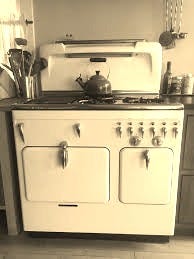
Don’t ask the seller to repaint the guest room. Don’t ask for a new stove. Don’t confuse “dated” with “defective.” That’s how deals die.
💧 2. That Water Stain? It Depends.
Here's where things get trickier. The contract clearly excludes cosmetic defects—but it requires repair of warranted systems.
So what about that water stain on the ceiling?
If it’s old and unrelated to a current leak: cosmetic, not repairable.
But if it’s tied to a leaky roof or HVAC unit: that’s a warranted failure, and it must be repaired.
It’s not about the appearance—it’s about the cause. And good agents should know the difference and help their clients understand what matters.
⏱️ 3. Know the Timeline. Or Blow the Deal.
Here’s the clock:
You have 10 days to inspect (or 10 days before closing—whichever comes first).
Then just 5 days to deliver notice of items that are not in working order.
And here’s where 90% of agents fumble:
They forward the inspection report and say, “Please fix these.”
❌ That’s not good enough.
The contract requires a specific notice of which items are not in the condition warranted, along with the portion of the written report that documents them. If you don’t do that, the buyer has waived their rights to request repairs.


✍️ 4. Make the Ask. Not Just the Attachment.
Professional agents don’t just forward reports. They write:
“Per CRSP-17 Section 8, Buyer requests that HVAC system be serviced due to non-functioning compressor. See page 3 of attached report.”
That’s a contractual request.
Just saying “See report” is lazy. And if you miss the deadline or fail to properly identify the item, that’s not a negotiation strategy—it’s malpractice. You waived the warranty. Period.
🚧 5. The Repair Limit Isn’t a Dealbreaker. It’s a Fork in the Road.
CRSP-17 includes a repair cap—a dollar limit on how much the seller must spend to bring warranted items back into working condition.
If the repair estimate comes in under the cap, seller must do the work.
If it’s over the cap, the parties have choices:
The seller can agree to spend more.
The buyer can agree to take partial repairs.
Either side can walk.
This is not a “contract terminated” moment—it’s a pause to make a choice.

Agents who freak out and tell their clients, “This is falling apart,” just because a repair quote came in high are throwing away deals that could’ve been salvaged.
⚖️ Final Word
Section 8 is a procedural clause, not a wish list. It gives buyers a legitimate path to inspect and request real repairs for real issues. It gives sellers clear limits and options. It gives both sides flexibility, boundaries, and a playbook.
But only if the people involved know the rules.
If you’re advising clients without reading Section 8, you’re not negotiating.
You’re guessing.
And that’s how deals fall apart.

Subscribe for More
👉 For more no-nonsense breakdowns of the CRSP-17 contract, buyer psychology, and the hidden strategy behind Florida’s best real estate deals, hit that subscribe button.
And agents: if you're tired of looking stupid at inspection time, start here.
🔗 The Series So Far – Learn the Florida Contract for Sale and Purchase (CRSP-17 Sections 1–20)
✅ Section 1 – Parties and Property Description
✅ Section 2 – Purchase Price
✅ Section 3 – Financing
✅ Section 4 – Closing Date; Occupancy
✅ Section 5 – Closing Procedure; Costs
✅ Section 6 – Inspection Periods
✅ Section 7 – Real Property Disclosures